
415

Sixth Form Academic Curriculum

Our Curriculum Offer 

Our Sixth Form academic curriculum has been carefully designed to reflect the expertise of our teaching staff, their subject specialisms, and the needs and interests of our students. We also take into account student voice to ensure that our offer is relevant, ambitious, and engaging. 

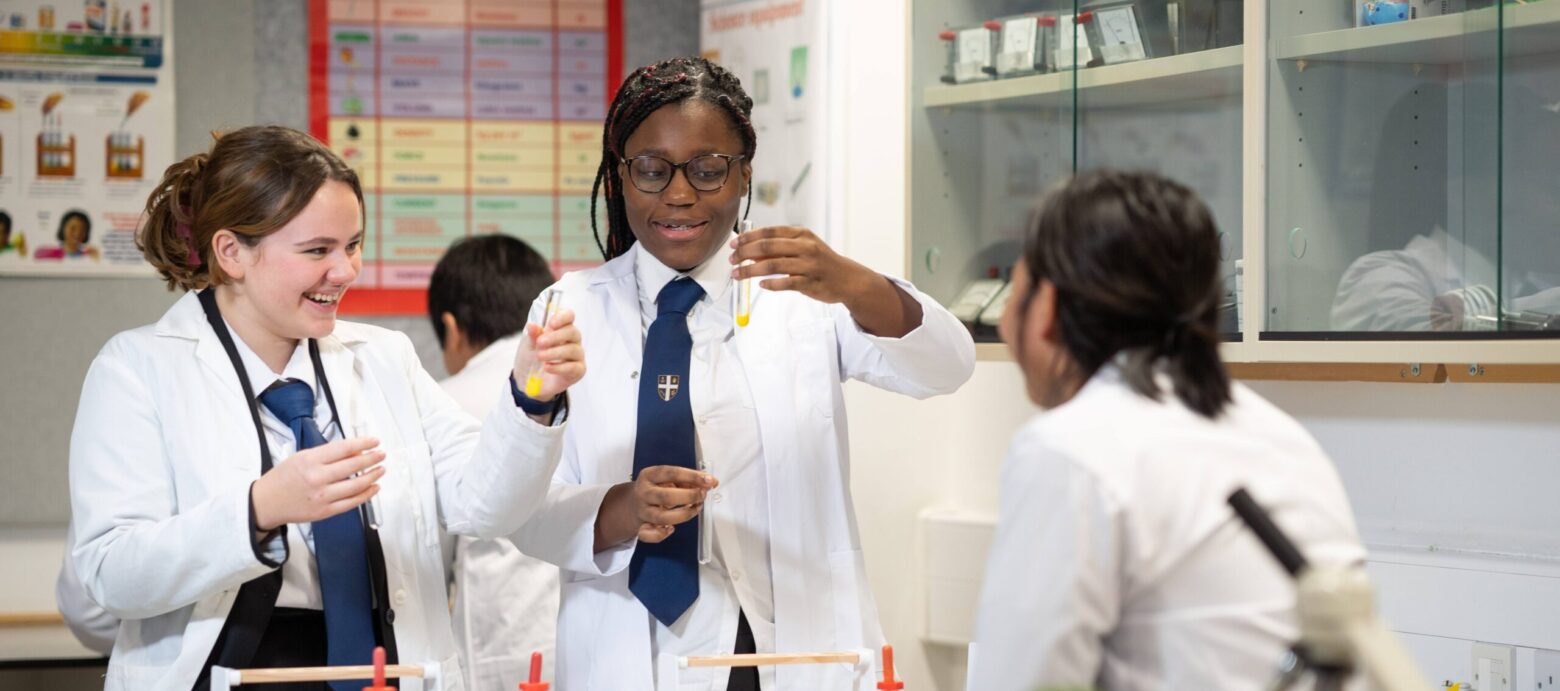
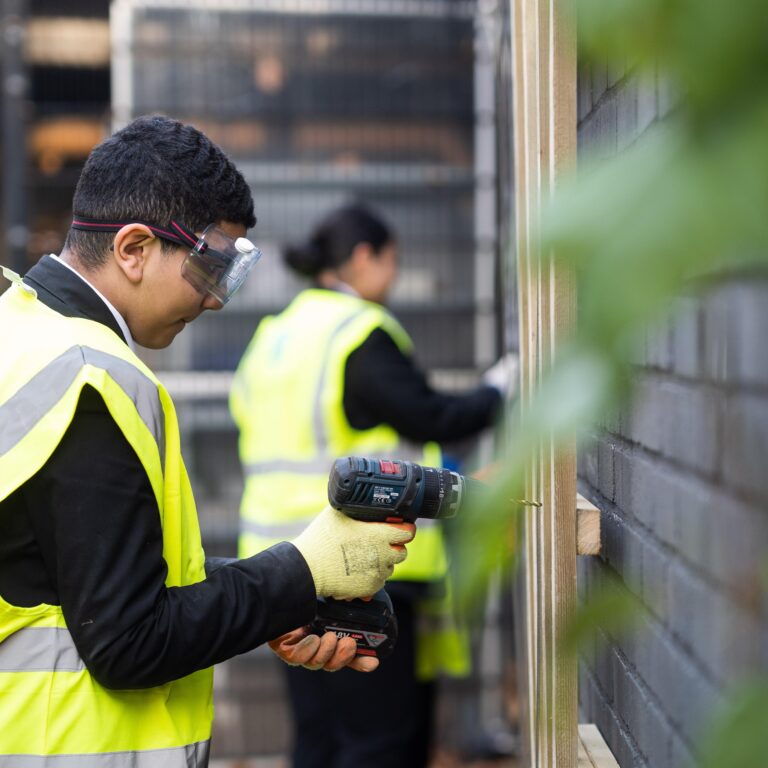
We provide a broad and balanced range of Level 3 courses, including A Levels, vocational qualifications, and applied courses. These include subjects across the sciences, humanities, arts, and technical pathways, alongside BTEC Sport and Cambridge Technical qualifications in IT and Business. 

This variety ensures that students can follow a pathway that best suits their strengths, interests, and future ambitions.
Choosing the Right Subjects

When selecting courses, students are encouraged to consider their long-term plans carefully, including progression to university, apprenticeships, or employment. It is important to take into account GCSE predicted grades, subject entry requirements, and guidance from teachers and careers staff. 

We strongly advise students to choose subjects they enjoy and in which they are likely to succeed. Motivation and engagement are key factors in post-16 success, and students should also carefully consider the increased level of independent study required at Sixth Form. 

Although students are provided with structured independent study periods during the school day, they must also be prepared to complete additional reading, research, and written work outside of lessons. Effective time management is therefore essential. 

Teaching, Learning and Academic Expectations

Our academic curriculum is designed to prepare students fully for life beyond Sixth Form. Students are supported in developing essential study skills through both classroom teaching and guidance from experienced Sixth Form staff, as well as external providers. 

Skills such as independent research, note-taking, critical analysis, and essay writing are explicitly taught and developed over time. Students are not expected to make the transition from GCSE to Level 3 study alone; however, success depends on consistent effort, engagement with feedback, and effective use of independent study time. 

It is vital that students work hard from the outset of their courses, respond positively to feedback, and take responsibility for their own progress. High achievement is closely linked to sustained effort and commitment. 

Subject Choice and Academic Balance

We generally recommend that students select three main subjects, which may include a combination of A Level and vocational qualifications. This allows students to maintain a broad academic profile while also developing depth in chosen areas. 

Each subject is delivered through three double lessons per week, equating to approximately 300 minutes of taught contact time per subject. In addition, students are expected to complete Directed Study periods, which are essential for consolidating learning, completing independent tasks, and extending knowledge. 

For some students, there is also the opportunity to undertake the Extended Project Qualification (EPQ), which is equivalent to an additional half A Level. The EPQ allows students to explore an area of personal interest in depth and develop independent research skills. Recent topics have included philosophical inquiry into Plato’s relevance to modern society, application of Keynesian economic theory, and photography-based research projects developed in partnership with the Photographer’s Gallery. 

*Please note these qualifications remain in place for the coming academic year through to 2027 following a review from the Labour government which concluded that vocational qualifications were a great pathway for many young people aged 16-19. The review is ongoing, with further announcements from the Department of Education in due course. There will be further updates in the coming academic year.